
From Katori
2020 | Comedy / Performance, Video
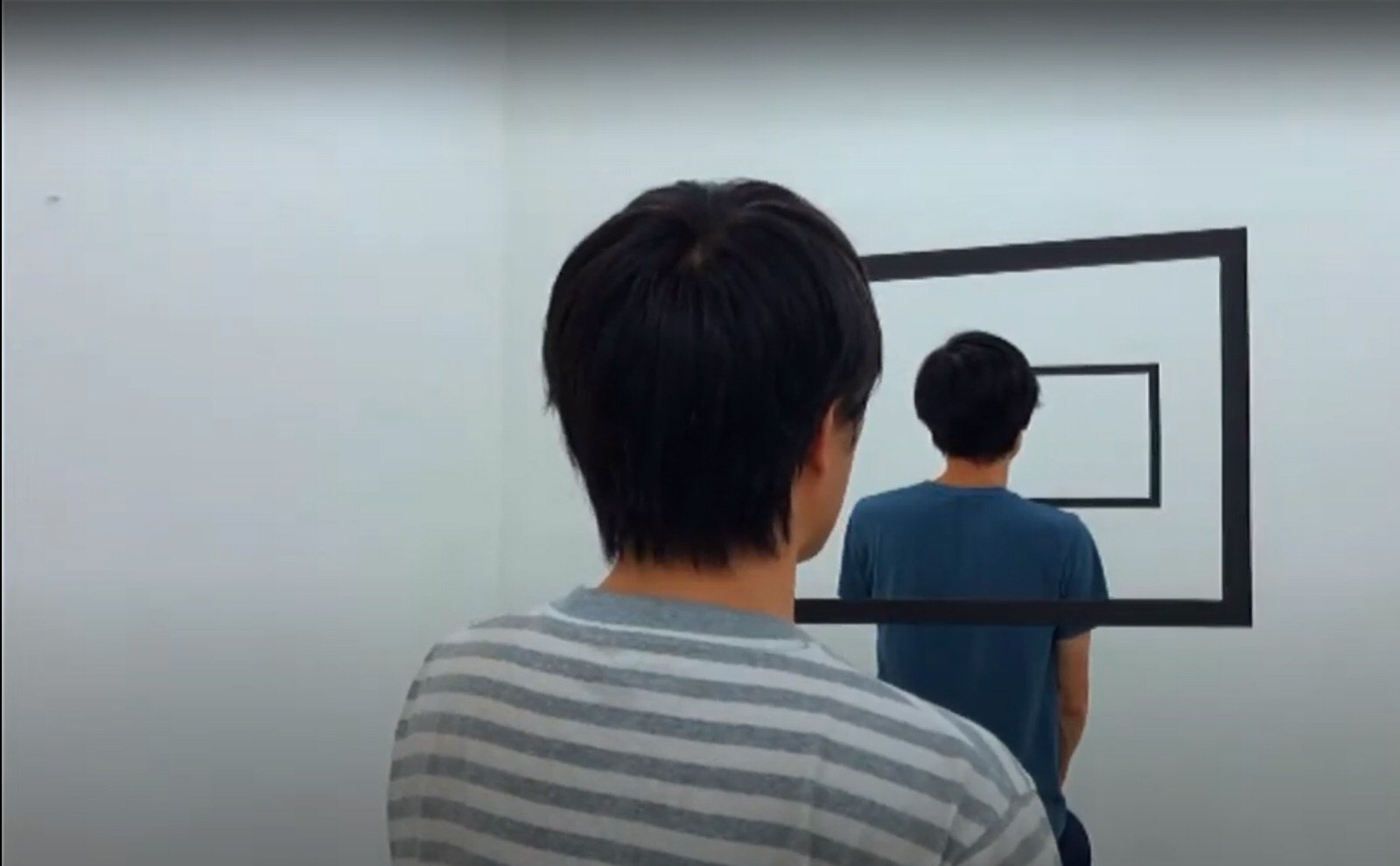
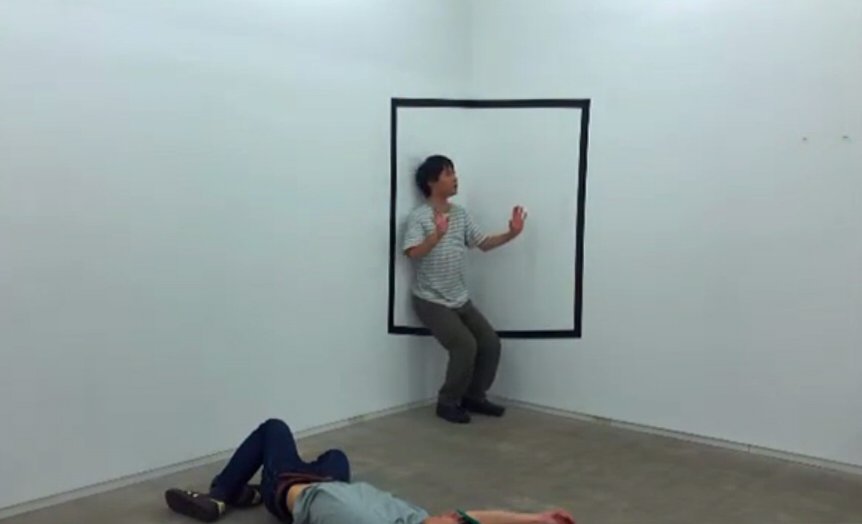

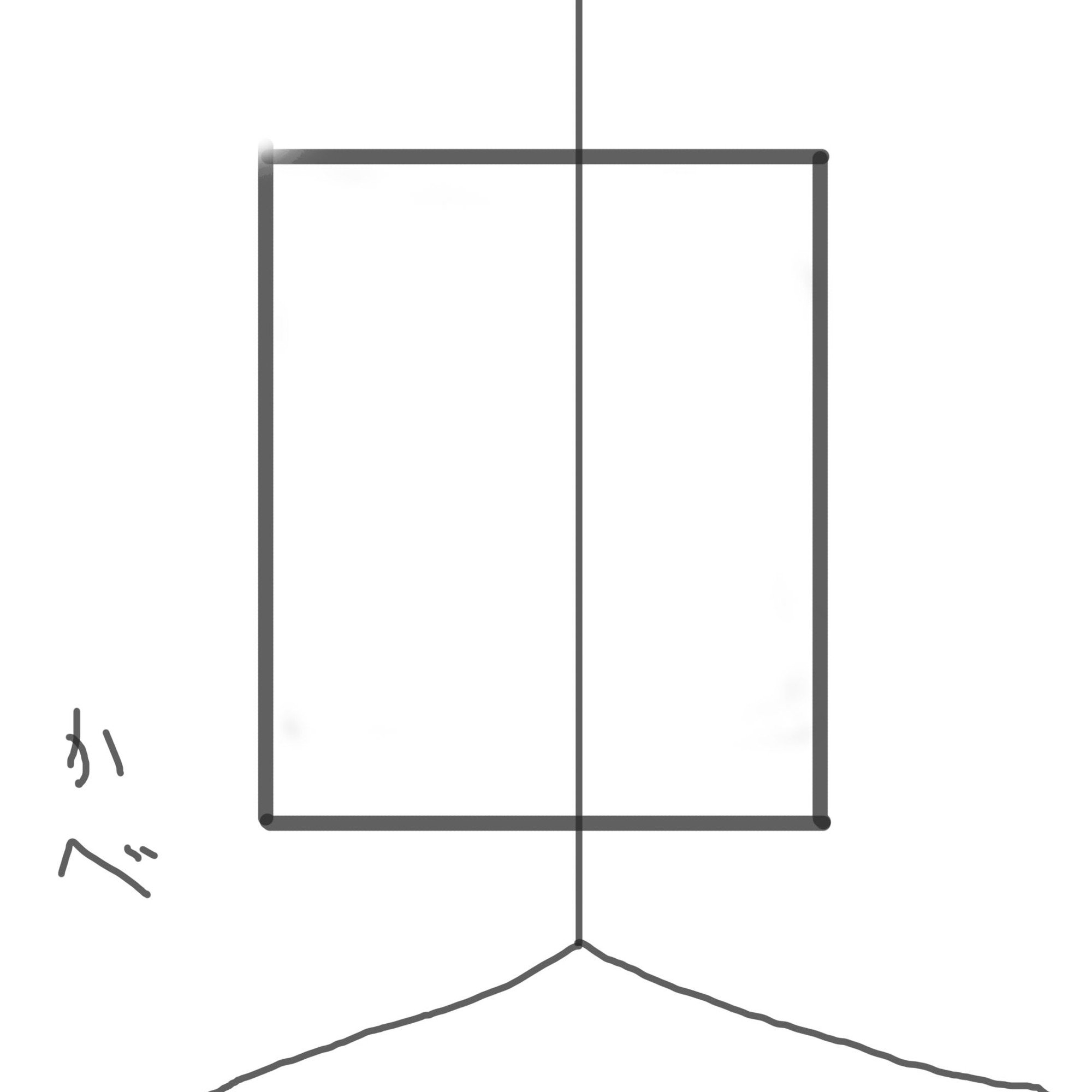
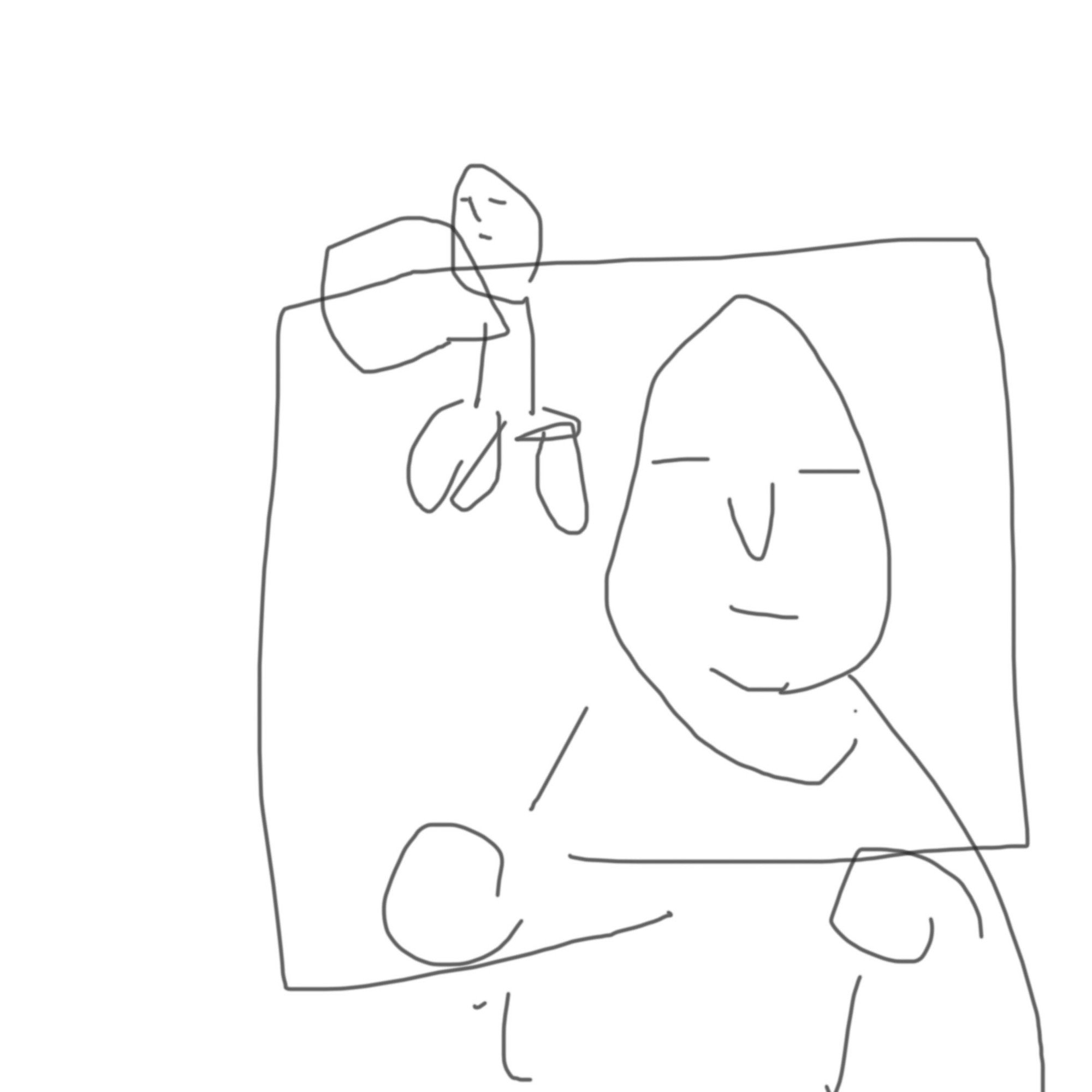
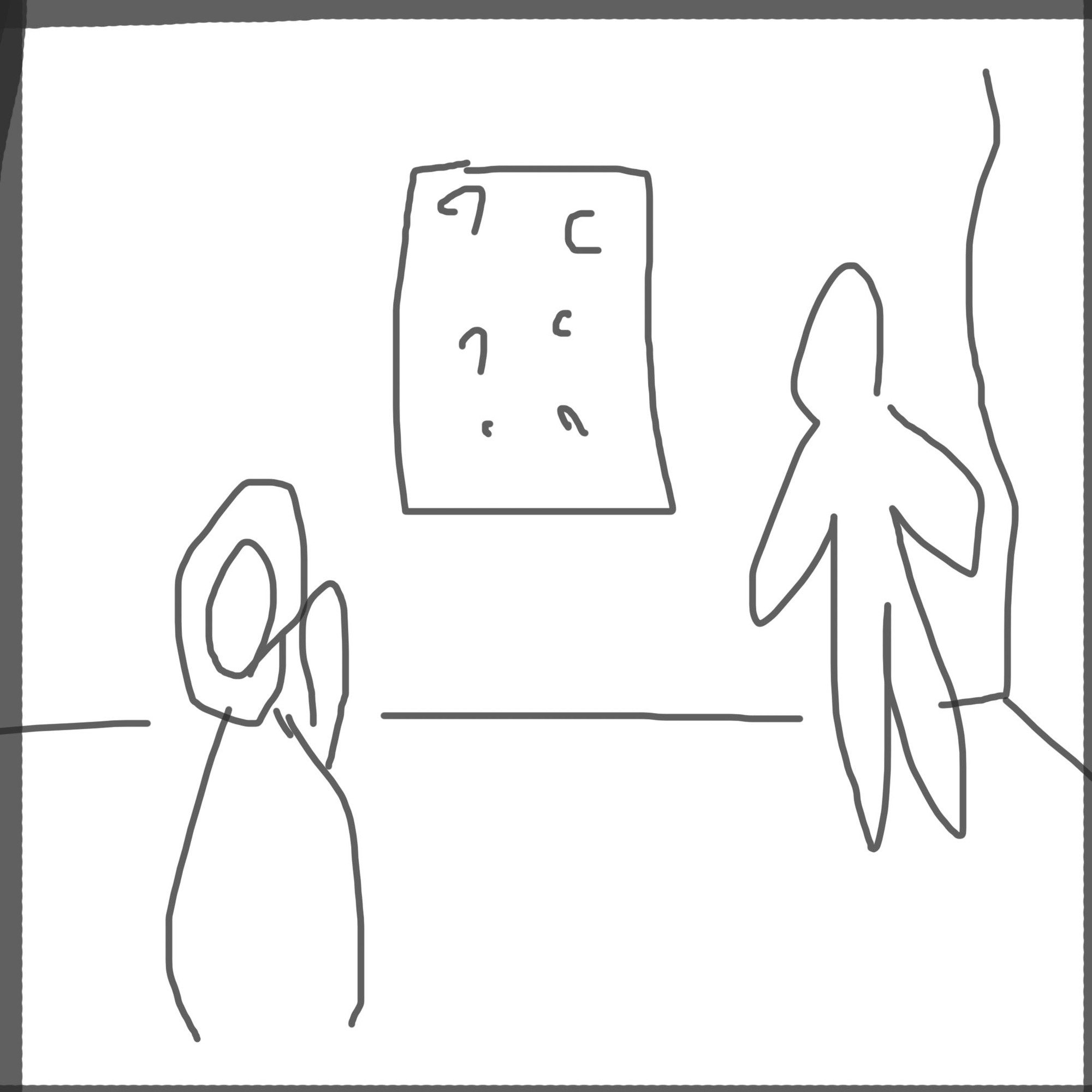
Due to the COVID-19 pandemic, this became the first O,1,2nine comedy sketch to be streamed online. Under these conditions, the audience would be watching the comedy as a video. With that in mind, we carried out a strategy: creating further frames within the frame of the streamed image, making full use of “the frame,” both visually and structurally.
More specifically, the comedy unfolds through the effects and meanings produced by black frames being held in the hands or passed through by the performers. The sketches include a conversation between two people who are supposedly talking online; a sketch set at a funeral, in front of a memorial portrait of the deceased; and a sketch featuring Lukawa and Hanamity, who attempt to break through boundaries one after another, moving from two dimensions to two-and-a-half dimensions and then to three dimensions.
A mosquito coil, from which the title is derived, also appears as an important motif. I wanted to raise questions not only about how we perceive the space within the screen, but also about the sense of time embodied by a mosquito coil as it physically burns away and disappears. How does this kind of time relate to the ways time is divided up when watching a performance or a video work?
Cultural and Linguistic Notes for English Readers
1. The Title: From Katori
Katori comes from katori-senko (蚊取り線香), a traditional Japanese mosquito-repellent coil that burns slowly over time.
2. The Memorial Portrait
The Japanese word iei (遺影) refers to a portrait of someone who has died, commonly displayed at a funeral or memorial service. In the sketch, the portrait is part of the setting in which the comedy takes place.